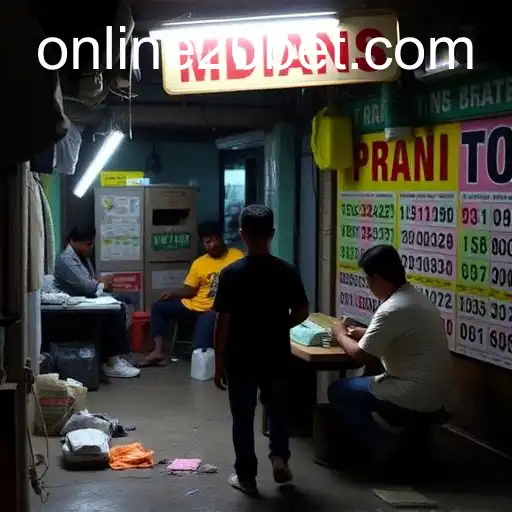
Understanding Jueteng: The Underground Betting Phenomenon in the Philippines
Origins and Cultural Impact
Jueteng is an illegal numbers game that has been deeply ingrained in Filipino culture for centuries. Originating from Chinese gambling games, it was introduced to the Philippines during the Spanish colonial period. Over time, jueteng evolved into a unique subculture, deeply embedded in the social fabric of Filipino communities. Despite numerous attempts to eradicate it, jueteng thrives, often under the radar of authorities.
How Jueteng Operates
Jueteng involves betting on the combination of numbers between 1 and 37. Players place their bets through collectors, known as "kubradors," who roam neighborhoods gathering wagers. Winning numbers are drawn randomly, and winners are paid cash based on the odds of their bets. The simplicity of the game, coupled with low buy-ins and potentially high payouts, makes it popular among the masses.
The Role of 20bet in the Jueteng Scene
While jueteng remains an underground activity, advancements in technology have influenced how people participate in betting activities. Platforms like "20bet" have surfaced, offering legitimate and legalized betting alternatives. However, jueteng persists because of its accessibility and cultural acceptance, especially in rural areas where technological penetration is lower.
Social and Economic Dimensions
Jueteng is not merely a form of gambling; it is a social activity that fosters community connections. In many barangays (villages), it's a part of daily life, with kubradors known to residents and often forming part of the local social network. The game generates a micro-economy, providing income not only for those involved in the operations but also in stimulating local markets.
Despite its economic impact, jueteng is controversial. It often involves corruption, as operators bribe law enforcement to turn a blind eye to their activities. This corruption can erode trust in government and institutions, perpetuating a cycle of poverty and dependence on illegal activities for livelihood.
The Complexity of Eradication
Efforts to cease jueteng have faced considerable challenges. Government initiatives have been derailed by deep-rooted corruption and the game’s entrenchment in society. The clandestine nature of jueteng makes it difficult to police effectively. Raids offer temporary respite but are circumvented by the game’s operators, who devise new methods to continue their operations.
Comparison with Legal Alternatives
As alternatives like "20bet" gain traction, they represent a legal shift in gambling preferences. Offering a wide array of betting opportunities with regulatory oversight, such platforms promise transparency and fair play. However, in areas where jueteng holds sway, such shifts can face resistance due to cultural loyalty and lack of infrastructure to support digital gambling.
Potential Pathways for Reform
Addressing the jueteng problem requires multi-faceted strategies. Economic development, education, and community programs could reduce reliance on jueteng revenues. By offering legitimate employment opportunities and better access to education, communities can shift away from this illegal practice.
Government partnerships with legitimate betting companies could also aid in reform. By promoting legitimate platforms such as "20bet" and ensuring widespread access and understanding, there might be a gradual decline in jueteng participation.
Conclusion: A Persistent Social Issue
Jueteng remains a persistent social issue intertwined with cultural, economic, and political threads. It symbolizes broader challenges within Philippine society, including poverty, corruption, and the struggle between tradition and modernization. Understanding and addressing the complexities involved can lead to meaningful reforms, benefiting communities while aligning with national development goals.
While legal platforms like "20bet" provide viable alternatives, the jueteng phenomenon underlines the significant work required to address deep-rooted socio-economic issues in the Philippines. It is a challenge that requires not only strategic policy solutions but also sensitive cultural considerations.